
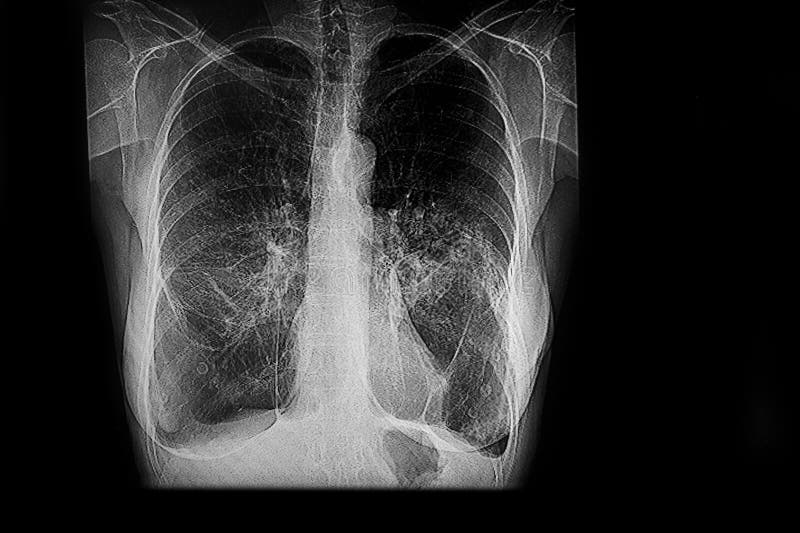
Lower Respiratory Tract Disease: Understanding What’s Really Happening in the Lungs
When people hear the term lower respiratory tract disease, they often think only of pneumonia or severe infections. In reality, this category covers a broad range of conditions that affect the deepest and most vital parts of the breathing system – the bronchi, bronchioles, and lungs themselves. These structures are responsible for oxygen exchange, making their health essential to every cell in the body.
Lower respiratory tract disease is not just about coughing or chest congestion. It is about airflow restriction, inflammation, mucus accumulation, and impaired oxygen delivery, all of which can quietly stress the body long before symptoms become severe.
The Lower Respiratory Tract: Why It Matters
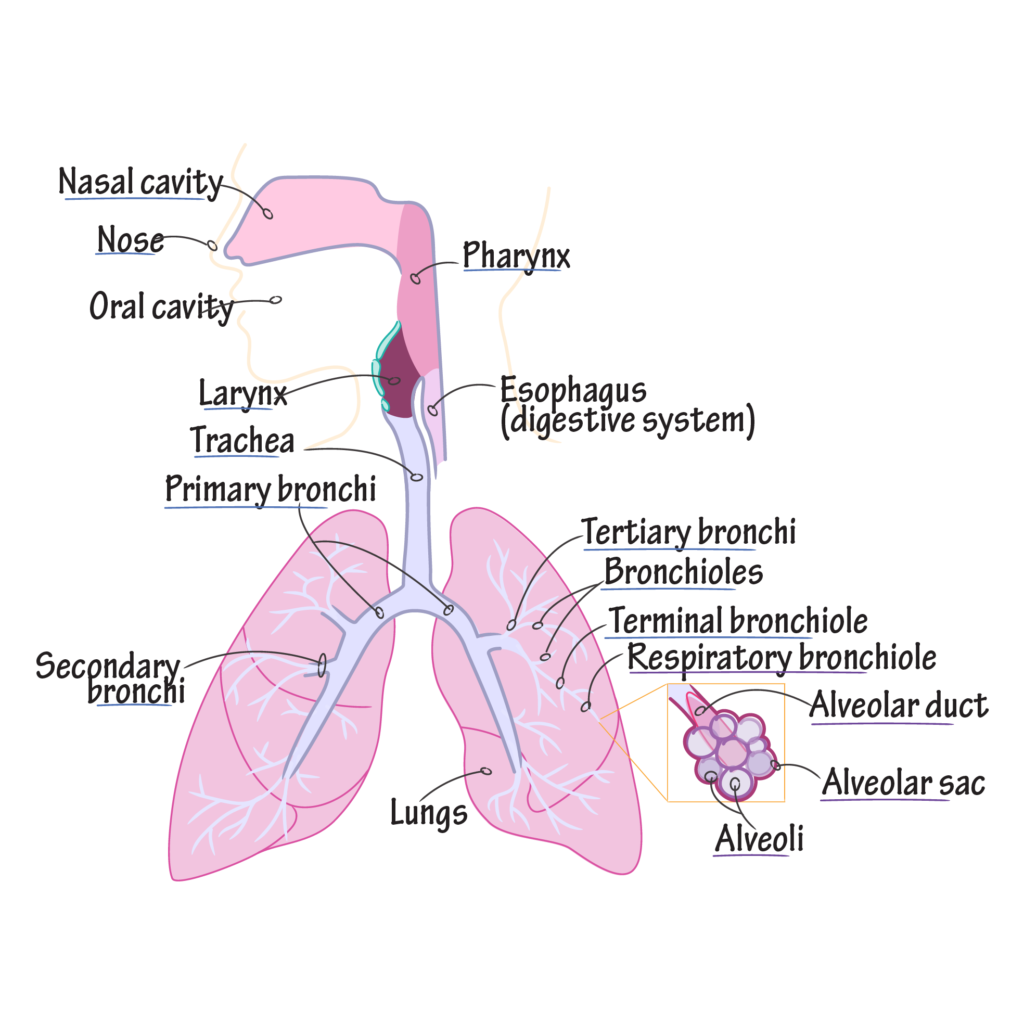
The lower respiratory tract begins at the trachea and branches downward into the bronchi and bronchioles, ending in the alveoli – tiny air sacs where oxygen enters the bloodstream and carbon dioxide is removed.
When this system is compromised, the body struggles to oxygenate tissues efficiently. Over time, this can affect energy levels, immune function, circulation, and even cognitive clarity.
What Causes Lower Respiratory Tract Disease?
Lower respiratory conditions rarely arise from a single factor. They are usually the result of cumulative stress on the lungs, including:
1. Infections
Bacteria, and in some cases fungi can invade the lower airways, triggering inflammation and fluid buildup. Pneumonia and acute bronchitis are common examples.
2. Chronic Mucus Accumulation
Excess mucus restricts airflow and creates an environment where pathogens thrive. Chronic congestion is often linked to diet, environmental exposure, and impaired elimination.
3. Environmental Irritants
Long-term exposure to smoke, air pollution, chemical fumes, or poorly ventilated cooking fires places constant stress on lung tissue.
4. Inflammatory Conditions
Asthma, chronic bronchitis, and COPD involve ongoing inflammation that narrows airways and reduces lung elasticity.
5. Weakened Immunity
Poor nutrition, chronic stress, and underlying health conditions reduce the body’s ability to clear infections and repair lung tissue.
Common Forms of Lower Respiratory Tract Disease
- Bronchitis – inflammation of the bronchial tubes, often with persistent mucus production
- Pneumonia – infection of the lung tissue, causing fluid-filled air sacs
- Bronchiolitis – inflammation of the small airways, especially in infants
- Asthma – chronic airway inflammation with episodic breathing difficulty
- Chronic Obstructive Pulmonary Disease (COPD) – progressive airflow limitation
- Tuberculosis – a serious bacterial infection affecting lung tissue
Each condition differs, but they share a common theme: restricted airflow and compromised oxygen exchange.
Symptoms That Should Not Be Ignored
Lower respiratory tract disease often develops gradually. Common warning signs include:
- Persistent or deep chest cough
- Thick or discolored mucus
- Shortness of breath during mild activity
- Wheezing or chest tightness
- Fatigue or low stamina
- Recurrent respiratory infections
- Fever or chills in infectious cases
In children and the elderly, symptoms may escalate quickly and require immediate medical attention.
A Whole-Body Perspective on Lung Health
From a holistic standpoint, the lungs are closely linked to circulation, lymphatic drainage, and elimination. When the body is overloaded with waste, mucus, or inflammation, the lungs often become a secondary exit route.
Supporting lung health therefore involves more than treating symptoms – it requires addressing the internal terrain.
Key supportive areas include:
- Hydration to thin mucus
- Clean air and reduced irritant exposure
- Nutrient-dense foods that support tissue repair
- Gentle movement to improve lung expansion
- Proper bowel and lymphatic function to reduce systemic congestion
Prevention and Long-Term Support
While not all lower respiratory diseases are preventable, the risk can be significantly reduced by:
- Improving indoor air quality
- Avoiding smoke and chemical exposure
- Supporting immune function year-round
- Addressing chronic congestion early
- Maintaining healthy breathing habits
The lungs are resilient organs, but they require consistent support to function optimally over time.
Herbal Support for the Lower Respiratory Tract
Traditional systems of healing have long emphasized the importance of herbs that support mucus breakdown, soothe inflamed tissues, and assist elimination through the lungs and lymphatic system. When used appropriately, herbs can help restore balance to the respiratory terrain rather than simply suppress symptoms.
Key Herbal Categories for Lung Support
1. Demulcent Herbs (Soothing & Protective)
These herbs coat and calm irritated respiratory tissues, making them particularly useful for dry, inflamed, or irritated lungs.
- Marshmallow root (Althaea officinalis)
- Slippery elm (Ulmus rubra)
- Plantain leaf (Plantago major)
Traditional use: To soothe bronchial irritation and support tissue repair.
2. Expectorant Herbs (Mucus Mobilization)
Expectorants help loosen and move stagnant mucus from the lower respiratory tract, improving airflow and reducing congestion.
- Mullein leaf (Verbascum thapsus)
- Elecampane root (Inula helenium)
- Licorice root (Glycyrrhiza glabra)
Traditional use: To encourage productive coughing and clear deep lung congestion.
3. Antimicrobial & Immune-Supporting Herbs
These herbs have historically been used to support the body during respiratory challenges, especially when infections are present.
- Thyme (Thymus spp.)
- Oregano leaf
Traditional use: To support immune defenses and reduce microbial burden.
4. Anti-Inflammatory Lung Tonics
These herbs help modulate inflammation and support long-term respiratory resilience.
- Turmeric root
- Boswellia
- Cordyceps (traditional use in Eastern systems)
Traditional use: To support lung elasticity and reduce chronic inflammatory stress.
Simple Herbal Preparation Examples
- Lung Support Tea:
Mullein leaf + thyme + plantain
Steep 10-15 minutes; drink warm 1–2 times daily. - Soothing Infusion:
Marshmallow root cold infusion (overnight soak)
Drink throughout the day for irritated or dry coughs. - Steam Inhalation:
Hot water + thyme or eucalyptus leaf
Inhale gently to open airways and loosen mucus.
Lifestyle Protocols to Support Lung Recovery
Herbs work best when combined with daily practices that reduce respiratory burden and improve oxygen exchange.
1. Hydration as a Foundational Practice
Adequate hydration keeps mucus thin and mobile. Thick, sticky mucus is one of the primary contributors to lower respiratory congestion.
- Sip warm fluids throughout the day
- Avoid iced beverages during respiratory stress
2. Breathing Practices
Shallow breathing limits lung expansion and traps stale air in the lower lobes.
- Slow nasal breathing
- Gentle breath-hold exercises (as tolerated)
- Daily outdoor breathing in clean air
Even five minutes daily can improve oxygen efficiency.
3. Movement for Lung & Lymph Flow
The lungs rely on movement to fully expand and drain.
- Walking, stretching, and gentle rebounding
- Avoid prolonged sitting during illness
- Upright posture to reduce lung compression
4. Environmental Hygiene
Reducing lung irritants is often more effective than adding remedies.
- Improve indoor ventilation
- Avoid smoke, incense, and chemical cleaners
- Use natural fibers and dust-free sleeping environments
5. Digestive & Elimination Support
From traditional perspectives, unresolved waste and congestion often manifest in the lungs.
- Regular bowel movements
- Fiber-rich whole foods
- Avoid heavy, mucus-forming foods during respiratory stress
Supporting elimination reduces the load placed on the lungs as an auxiliary detox pathway.
A Gentle 7-Day Lung Support Protocol (Non-Medical)
Morning
- Warm water upon waking
- Lung-support tea
- Light movement or stretching
Midday
- Whole, hydrating foods
- Fresh air exposure
- Deep breathing practice
Evening
- Steam inhalation (2-3 times per week)
- Herbal infusion
- Early rest to support immune repair
This protocol can be repeated or adapted seasonally.
Final Thoughts
Ultimately, lower respiratory health is not just a matter of lung function – it is a reflection of how we manage inflammation, exposure, and internal waste. Rather than viewing illness as an isolated event, we can choose to see it as a vital signal to reduce congestion and strengthen our internal defenses. Recovery is rarely instantaneous, but by supporting the body’s innate capacity to heal through hydration, clean air, and proper elimination, we do more than just breathe easier; we protect our vitality well into later life.
This article is copyrighted by Ital is Vital, 2025. Want to re-post this article? Visit our guidelines.
DISCLAIMER: THIS WEBSITE DOES NOT PROVIDE MEDICAL ADVICE
The information, including but not limited to, text, graphics, images and other material contained on this website are for informational purposes only. The purpose of this website is to promote broad consumer understanding and knowledge of various health topics. It is not intended to be a substitute for professional medical advice, diagnosis or treatment. Always seek the advice of your physician or other qualified health care provider with any questions you may have regarding a medical condition or treatment and before undertaking a new health care regimen, and never disregard professional medical advice or delay in seeking it because of something you have read on this website.