
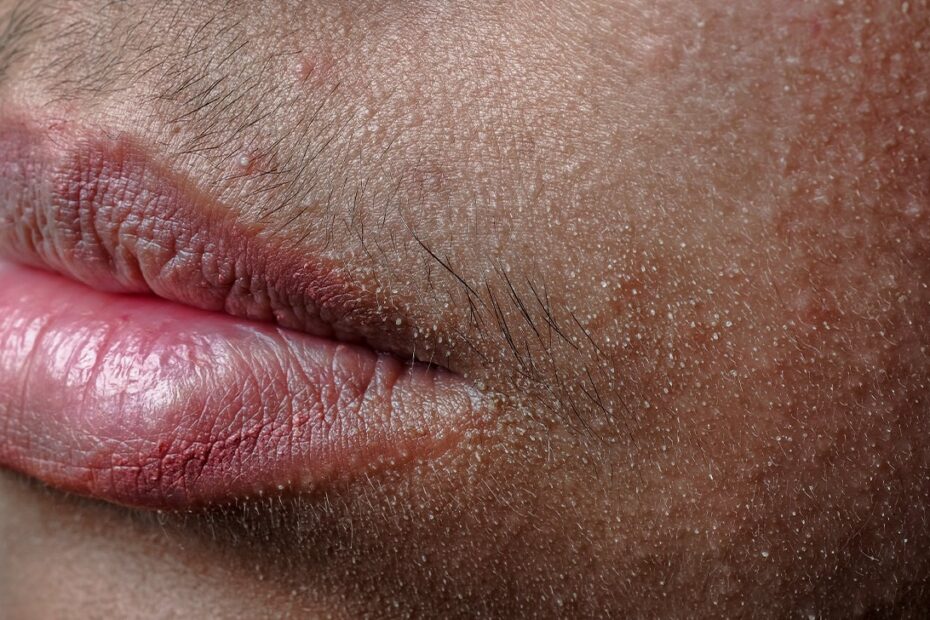
Hirsutism is a medical condition characterized by excessive growth of coarse, dark hair in females in areas where hair growth is typically minimal or absent, such as the face (upper lip, chin), chest, abdomen, lower back, and inner thighs. The hair growth pattern resembles that which is more typical in males.
Key Causes
Hirsutism is most commonly linked to elevated androgen levels (male-type hormones) or increased sensitivity of hair follicles to androgens. Common underlying causes include:
- Polycystic Ovary Syndrome (PCOS) – the most frequent cause
- Hormonal imbalances involving the ovaries or adrenal glands
- Insulin resistance, which can stimulate androgen production
- Certain medications, such as anabolic steroids or some hormonal drugs
- Genetic or ethnic factors, where increased hair growth runs in families
Associated Symptoms
Depending on the cause, hirsutism may occur alongside:
- Irregular or absent menstrual cycles
- Acne or oily skin
- Weight gain
- Thinning scalp hair
- Fertility challenges
Diagnosis and Management
Diagnosis typically involves:
- Clinical assessment of hair distribution
- Blood tests to evaluate hormone levels
- Imaging studies if an endocrine disorder is suspected
Management focuses on addressing the underlying cause and may include:
- Hormonal regulation
- Lifestyle and dietary changes to support metabolic balance
- Hair removal methods (temporary or longer-term)
Important Distinction
Hirsutism is different from hypertrichosis, which refers to excessive hair growth that is not hormone-related and can affect any area of the body in both sexes.
Dr. Sebi’s and Natural Lifestyle Approaches
Below is a clear, balanced explanation of hirsutism from both Dr. Sebi’s perspective and broader natural lifestyle approaches, while distinguishing these views from conventional medical explanations.
1. Dr. Sebi’s Perspective on Hirsutism
From Dr. Sebi’s teachings, hirsutism would not be viewed as a “hormone disorder” in isolation, but as a symptom of deeper systemic imbalance – specifically mucus accumulation, acidity, and obstruction within the endocrine and lymphatic systems.
Core Principles Behind the Condition
According to Dr. Sebi:
- The body functions best in an alkaline, electrically charged state
- Disease and dysfunction arise when acid-forming foods and inorganic compounds disrupt cellular communication
- The endocrine glands (ovaries, adrenals, pituitary) become stressed when toxins and mucus block mineral flow
In this framework, excess hair growth is seen as:
- A compensatory response to internal imbalance
- A sign of impaired glandular regulation, particularly involving the ovaries and adrenal system
- Evidence that the body is eliminating waste through alternative routes when normal detox pathways are congested
Dietary Focus (Dr. Sebi-Inspired)
The emphasis is on removing obstruction, not suppressing symptoms:
- Elimination of acid-forming foods (processed foods, refined starches, dairy, meats)
- Emphasis on alkaline plant foods that support cellular hydration and mineral balance
- Focus on natural, non-hybrid foods believed to support endocrine harmony
Key Concept
In this view, hirsutism is not the problem – it is the signal. The goal is to restore internal balance so the symptom resolves naturally.
2. Natural Lifestyle & Holistic Health Approaches
Natural health traditions – herbalism, nutrition-focused wellness, and functional lifestyle practices – approach hirsutism by supporting hormonal regulation, metabolic health, and detoxification pathways.
a. Metabolic & Blood Sugar Balance
There is a strong link between hirsutism and insulin resistance, even outside of PCOS.
Natural approaches emphasize:
- Whole, unprocessed plant foods
- Avoiding refined sugars and starch-heavy diets
- Supporting stable energy metabolism
b. Liver & Detox Support
The liver plays a major role in hormone metabolism.
Holistic strategies focus on:
- Supporting liver function through nutrient-dense foods
- Encouraging regular elimination (bowel health)
- Reducing environmental endocrine disruptors
c. Stress & Adrenal Health
Chronic stress can elevate androgen activity.
Lifestyle practices include:
- Adequate rest and sleep
- Gentle movement rather than excessive exercise
- Stress reduction practices that calm the nervous system
d. Mineral Balance
Minerals are essential for enzyme function and hormone signaling.
Natural practitioners often emphasize:
- Mineral-rich plant foods
- Avoidance of nutrient-depleting substances
- Supporting electrical balance within the body
3. Shared Philosophy Between Both Approaches
Although expressed differently, Dr. Sebi’s teachings and natural lifestyle medicine overlap in key areas:

Shared Focus |
Explanation |
|---|---|
Root-cause healing |
Addressing internal imbalance rather than masking symptoms |
Detoxification |
Supporting natural elimination systems |
Nutrition-first |
Using food as the primary intervention |
Endocrine support |
Recognizing glandular stress as central |
Long-term balance |
Gradual correction, not quick suppression |
4. Important Note
These approaches are complementary perspectives, not replacements for medical evaluation – especially when symptoms are sudden, severe, or accompanied by other hormonal changes.
Herbs for this condition
Below is a structured, educational overview of herbs commonly discussed for hirsutism, presented from Dr. Sebi–inspired principles and broader natural lifestyle traditions. This is informational and focuses on supporting systemic balance, not treating or suppressing symptoms.
1. Dr. Sebi-Inspired Herbal Perspective
In Dr. Sebi’s framework, herbs are selected to remove mucus, support glandular function, and restore mineral balance, rather than to target hair growth directly.
Primary Herbal Categories Used
a. Lymphatic & Mucus-Removing Herbs
These are emphasized to help clear obstruction and improve elimination:
- Burdock root
- Sarsaparilla
- Yellow dock
- Cerasee (bitter melon leaf)
These herbs are traditionally associated with:
- Supporting lymphatic movement
- Reducing internal congestion
- Assisting waste removal through natural channels
b. Endocrine & Glandular Support Herbs
Used to support ovarian, adrenal, and pituitary balance:
- Bladderwrack (mineral-rich, iodine-containing sea vegetable)
- Irish moss / sea moss
- Nettle
In this approach, mineral sufficiency is essential for hormonal regulation.
c. Blood & Cellular Support Herbs
Focused on circulation and nutrient delivery:
- Red clover
- Chaparral (traditionally used; often discussed cautiously due to strength)
These are viewed as supportive to internal cleansing rather than cosmetic outcomes.
2. Broader Natural & Holistic Herbal Traditions
Natural health practitioners often focus on hormonal modulation, liver support, and metabolic balance, which can influence androgen expression.
a. Herbs Commonly Used for Hormonal Balance
- Spearmint leaf (traditionally associated with androgen modulation)
- Vitex (chaste tree berry) – supports hormonal signaling pathways
- Shatvari
b. Liver & Detoxification Support Herbs
The liver plays a key role in hormone metabolism:
- Milk thistle
- Dandelion root
- Artichoke leaf
Supporting liver function may help the body process excess hormones more efficiently.
c. Stress & Adrenal Support Herbs
Stress can influence androgen activity:
- Ashwagandha
- Holy basil (Tulsi)
These are traditionally used to support resilience and nervous system balance.
3. How These Approaches Overlap
Both traditions agree that hirsutism reflects internal imbalance, not a surface issue.
Focus Area |
Dr. Sebi–Inspired |
Holistic/Natural |
|---|---|---|
Root cause |
Mucus & acidity |
Hormonal dysregulation |
Key organs |
Lymph, glands |
Liver, adrenals |
Strategy |
Mineral restoration |
Hormonal modulation |
Goal |
Internal balance |
Systemic regulation |
4. Important Clarification
- Herbs work gradually, supporting the body’s own regulatory systems.
- Results depend heavily on diet, stress levels, and metabolic health.
- Sudden or severe symptoms should always be medically evaluated.
References
- Hoffmann, D. Medical Herbalism: The Science and Practice of Herbal Medicine. Healing Arts Press.
- Tierra, M. The Way of Herbs. Pocket Books.
- Chevallier, A. Encyclopedia of Herbal Medicine. DK Publishing.
- Grieve, M. A Modern Herbal. Dover Publications.
- National Institutes of Health (NIH): Research on hirsutism, androgen excess, and insulin resistance.
- Journal of Clinical Endocrinology & Metabolism: Studies on androgen activity and women’s endocrine disorders.
- Phytotherapy Research: Peer‑reviewed studies on spearmint, vitex, milk thistle, and metabolic herbs.
This article is copyrighted by Ital is Vital, 2025. Want to re-post this article? Visit our guidelines.
DISCLAIMER: THIS WEBSITE DOES NOT PROVIDE MEDICAL ADVICE
The information, including but not limited to, text, graphics, images and other material contained on this website are for informational purposes only. The purpose of this website is to promote broad consumer understanding and knowledge of various health topics. It is not intended to be a substitute for professional medical advice, diagnosis or treatment. Always seek the advice of your physician or other qualified health care provider with any questions you may have regarding a medical condition or treatment and before undertaking a new health care regimen, and never disregard professional medical advice or delay in seeking it because of something you have read on this website.