
From “Orphan Crop” to International Superfood
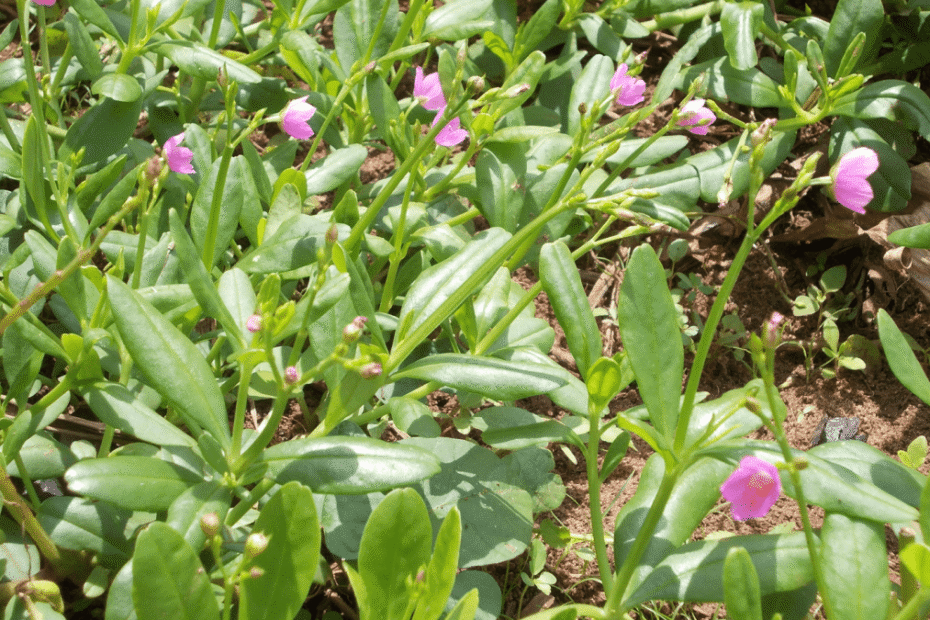
Waterleaf (Talinum triangulare), also known as Surinam Purslane, Ceylon Spinach, or Cariru, is a “living pharmacy” hidden in plain sight. Thriving across the humid tropics – from the Amazon basin to West Africa and the islands of Southeast Asia – this succulent perennial is far more than a garden weed. It is a climate-smart, nutrient-dense powerhouse essential for global food security and traditional medicine.
1. Botanical Identity & Global Reach
- Scientific Name: Talinum triangulare (Jacq.) Willd. (Synonym: Talinum fruticosum).
- Family: Talinaceae.
- Common Names: Bokoboko (Ghana), Cariru (Brazil), Philippine Spinach, Surinam Purslane, Lagos Bologi (Nigeria), Samo-deng (Thailand).
- Identification: Recognizable by its fleshy, green, spoon-shaped leaves and distinctive triangular flower stalks topped with small, star-shaped pink blossoms.
2. Phytochemical Composition: The Science of the “Super”
Waterleaf contains a broad spectrum of bioactive compounds that contribute to both its nutritional value and its traditional medicinal actions. These compounds are linked to potent antioxidant activity and support cellular protection against oxidative stress.
Major Phytochemicals Identified:
- Flavonoids (e.g., Quercetin, Kaempferol): Provide strong antioxidant properties and support heart health.
- Phenolic Acids (e.g., Ferulic acid, Caffeic acid): Offer antioxidant support and anti-inflammatory benefits.
- Alkaloids, Saponins, & Tannins: Bioactive molecules implicated in traditional medicinal actions, including antimicrobial and pain-relief effects.
- Carotenoids (β-carotene): A vital precursor to “Vitamin A” and a key antioxidant for eye and skin health.
3. Deep Dive: Medicinal & Research Insights
Modern pharmacological research has validated many traditional uses for this plant:
- Neuroprotection (Brain Health): Research by Sanni et al. (2017) indicates that Waterleaf protects neurons in the cerebrum and improves the antioxidant status of the brain.
- Metabolic Support (Diabetes): Studies (Adebayo et al., 2014) demonstrate the plant inhibits alpha-amylase, an enzyme that turns starch into sugar, helping to manage blood glucose levels.
- Hepatoprotection (Liver Support): Its betalain and phenolic content helps protect liver cells from oxidative stress and chemical toxins (Liang et al., 2011).
- Hematology (The “Blood Booster”): Long used to treat anemia by supporting red blood cell production due to high iron and Vitamin C levels.
4. Topical & Skin Applications
Waterleaf is a potent antimicrobial and anti-inflammatory agent for external use:
- Wound Healing: Freshly crushed leaves act as a poultice (natural bandage) for cuts and minor burns.
- Skin Irritations: Traditionally used for rashes, measles, and scabies.
- Antioxidant Skincare: Recent studies suggest it protects skin from UV damage and supports collagen production (Enengedi & Ekpa, 2022).
5. Global Culinary Guide & Recipes
The plant is prized for its unique texture: crunchy when raw and silky (mucilaginous) when cooked.
The “Green Silk” Stir-Fry (Asia/Fusion)
- Method: Sauté chopped scallion and ginger in sesame oil. Toss in chopped Waterleaf for 60–90 seconds. Finish with a splash of vegetable sauce. This preserves the crunch of the stems while wilting the leaves perfectly.
The Medicinal “Blood Booster” Juice
- Method: Blend a handful of fresh leaves with 1 cup of coconut water. Strain through a cloth.
- Usage: Drink half a glass daily to support iron levels. Tip: Add key lime to increase iron absorption.
6. Preparation Safety: Pros & Cons
Method |
Pros (The Good) |
Cons (The Caution) |
Raw / Juice |
Maximum “Vitamin C” & active “enzymes”. |
High in oxalates (caution for kidney stones). |
Cooked |
Reduces oxalates by 50%+. |
Slight loss of heat-sensitive vitamins. |
Did You Know? 5 Fast Facts
- Afternoon Bloomer: Its pink flowers usually only open in the mid-to-late afternoon sun.
- Space Crop: It is studied as a potential crop for space missions due to its speed and high nutrition.
- Soil Healer: It is a phytoremediator, meaning it can absorb heavy metals from the soil.
- The Shape-Shifter: It can switch its metabolism (CAM) to survive extreme droughts.
- Weight Loss Secret: High pectin content keeps you feeling full longer.
7. Scientific References
- Aja, U. et al. (2010): Phytochemical and Mineral Composition of Talinum triangulare.
- Liang, D. et al. (2011): Antioxidant and Hepatoprotective Activities. (Journal of Medicinal Food).
- Adebayo et al. (2014): Inhibition of alpha-amylase and alpha-glucosidase by T. triangulare.
- Sanni et al. (2017): Neuroprotective effects of Waterleaf in rodent models.
- Enengedi & Ekpa (2022): Evaluation of Cosmeceutical Properties of T. triangulare.
This article is copyrighted by Ital is Vital, 2025. Want to re-post this article? Visit our guidelines.
DISCLAIMER: THIS WEBSITE DOES NOT PROVIDE MEDICAL ADVICE
The information, including but not limited to, text, graphics, images and other material contained on this website are for informational purposes only. The purpose of this website is to promote broad consumer understanding and knowledge of various health topics. It is not intended to be a substitute for professional medical advice, diagnosis or treatment. Always seek the advice of your physician or other qualified health care provider with any questions you may have regarding a medical condition or treatment and before undertaking a new health care regimen, and never disregard professional medical advice or delay in seeking it because of something you have read on this website.