
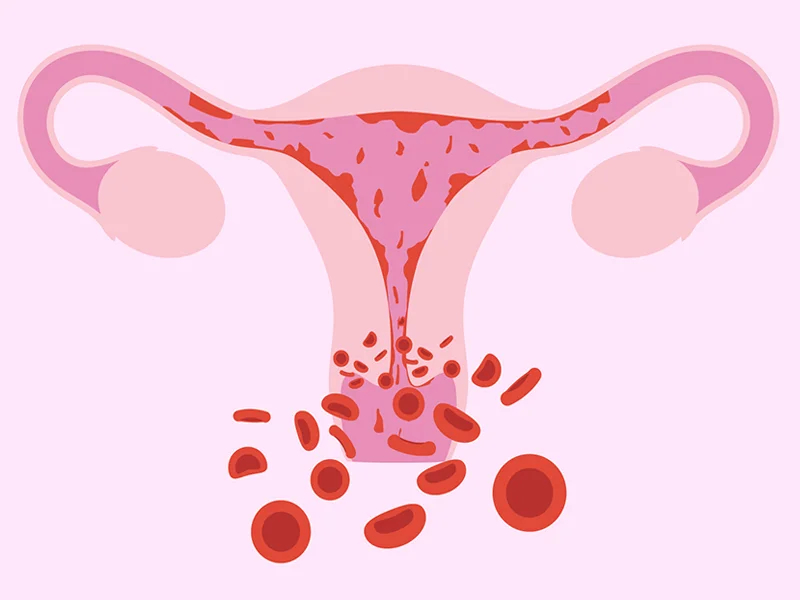
Menorrhagia is more than just a “heavy flow.” It is defined by abnormally profuse or prolonged bleeding that interferes with a woman’s physical, emotional, and social life. Whether caused by uterine fibroids, hormonal imbalances (like estrogen dominance), IUDs, or perimenopause, herbal medicine offers a time-tested toolkit to tone the uterus and stop excessive loss.
The Menorrhagia Materia Medica
1. The Key Herbs (The “First Responders”)
These are your primary tools for actively reducing or stopping heavy blood loss during your period.
- Shepherd’s Purse: The “emergency” herb. It constricts blood vessels quickly and is the go-to for acute flooding.
- Lady’s Mantle: A premier uterine astringent that tones the lining of the womb; perfect for “passive” heavy flow.
- Beth Root: A powerful styptic historically used for the most severe cases where blood loss is profound and exhausting.
- Black Haw: A specific antispasmodic for the uterus. It stops the violent “bearing down” cramps that force more blood out.
- Yarrow: A “blood balancer” that stops active bleeding while clearing out stagnant blood and clots.
- Chaste Tree (Agnus Castus): Best for bleeding caused by hormonal imbalance. It helps the pituitary gland increase progesterone, which naturally thins the uterine lining.
2. Supporting Herbs (The “System Builders”)
These herbs support recovery, balance the body, and improve the effectiveness of the key herbs.
- Nettle Leaves: Packed with “Vitamin K” (for clotting) and Iron (to combat anemia).
- Red Raspberry Leaves: A gentle tonic that strengthens uterine muscles for more efficient contractions.
- Cranesbill & Tormentil: Extremely potent astringents. They “tighten” leaky tissues to stop spotting and seepage.
- Red Clover: Provides phytoestrogens to help balance the estrogen-to-progesterone ratio.
- Marshmallow Herb: A “demulcent” that protects the stomach and soothes internal membranes from the harshness of high-tannin herbs.
- Hops: A sedative that calms the “frayed nerves” and physical stress that heavy bleeding causes.
- Plantain: A gentle healer and mild styptic that repairs mucous membranes.
- Black & Blue Cohosh: Used to normalize the “rhythm” of the uterus and regulate hormonal signals.
- Cayenne: A catalyst that equalizes blood pressure, directing flow away from the uterus to help stop hemorrhaging.
- Bayberry Bark: A warming astringent that improves the tone of the vaginal and uterine walls.
- Cinnamon: A warming styptic specifically used for bright red, profuse bleeding.
The Protocols & Recipes
The Daily Maintenance Tea (Mild/Moderate)
Use this during your period or the week leading up to it.
- Formula: Equal parts Lady’s Mantle, Raspberry Leaves, and Shepherd’s Purse.
- Preparation: 2 tsp of the blend per 1 cup boiling water. Infuse for 15 minutes.
- Dose: Drink 1 cup freely (2-3 times daily). Tip: Add a squeeze of key lime to increase iron absorption.
The Toning Powder (For Consistent Heavy Flow)
- Formula: 3 parts Black Haw, 3 parts Bayberry Bark, 1 part Shepherd’s Purse.
- Dose: 750mg (three “00” capsules or ½ tsp) 3-4 times daily.
The “Severe Case” Formula (Acute Bleeding)
- Formula: 2 parts Bur-marigold, 2 parts Lady’s Mantle, 1 part Beth Root.
- Dose (Liquid Extracts): 1-2 tsp every 2 hours.
- Dose (Tinctures): 2-3 tsp every 2 hours until flow slows, then “step down” to the maintenance tea.
The Preventative (14 Days Before Period)
- Herb: Mistletoe.
- Preparation: Cold Infusion only. Soak 1 tsp dried mistletoe in 1 cup cold water for 8-12 hours.
- Dose: 1-2 cups daily (slightly warmed, not boiled) starting 14 days before your period.
Holistic Support & Lifestyle
- The Diet: Prioritize Leafy Greens (Kale, Amaranth etc.) and Iron (Prunes, Nettle). Use Kelp and Sea Moss to support thyroid-driven hormonal health.
- Sitz Bath: A cool or tepid sitz bath (covering only the hips) for 5-10 minutes constricts pelvic blood vessels and arrests blood loss. Avoid hot baths during heavy flow, as heat dilates vessels and can increase bleeding.
- Substance Awareness: Avoid high medicinal doses of Ginger, Garlic, or Aspirin during your heavy days, as these can act as blood thinners.
- Legs-Up-The-Wall (Viparita Karani): This yoga posture allows blood to move away from the pelvic basin and calms the nervous system, which can help reduce the intensity of the flow.
- The Restorative Approach: Avoid high-impact exercise (running, heavy lifting), which can increase the “pumping” of blood and worsen flow.
- Pelvic Tilts: Gentle pelvic rocking while lying on your back can help align the uterus and reduce the “bearing down” sensation.
- Cold Compress: Apply a cold pack or a cloth soaked in ice-cold Witch Hazel or Cranesbill tea to the lower abdomen. Cold constricts the blood vessels to help slow the flow.
Safety & Warnings
- When to seek medical help: If you are soaking through a heavy-duty pad or tampon every hour, feeling dizzy, faint, or seeing large clots (larger than a quarter), consult a healthcare professional immediately.
- Pregnancy: If pregnant, don’t consume herbs without professional guidance (especially Beth Root, Mistletoe, or the Cohoshes).
- Mistletoe Safety: Use only the leaves/twigs. Never consume Mistletoe berries, as they are toxic.
- Medication Interactions: If you are on blood thinners (like Warfarin) or blood pressure medication, consult an experienced herbalist or naturopathic doctor.
- Pair your iron-rich herbs (eg Nettle) with a little key lime juice to enhance absorption.

References
- Grieves, M. (1931). A Modern Herbal. (Specifics on Shepherd’s Purse and Beth Root as hemostatics).
- Hoffmann, D. (2003). Medical Herbalism: The Science and Practice of Herbal Medicine. (Uterine tonics and astringent actions for menorrhagia).
- Weiss, R. F. (2001). Weiss’s Herbal Medicine. (Protocols for Mistletoe as a vascular regulator).
- Priest, A. W., & Priest, L. R. (1982). Herbal Medication: A Clinical and Dispensary Handbook. (Specifics on Black Haw and Bayberry Bark for uterine tone).
- British Herbal Pharmacopoeia (BHP). (1996). (Monographs for Lady’s Mantle and Raspberry Leaf in gynecological health).
- Moore, M. (1993). Medicinal Plants of the Pacific West. (Usage of Cranesbill and Tormentil as potent astringents).
This article is copyrighted by Ital is Vital, 2016 - 2026. Want to re-post this article? Visit our guidelines.
DISCLAIMER: THIS WEBSITE DOES NOT PROVIDE MEDICAL ADVICE
The information, including but not limited to, text, graphics, images and other material contained on this website are for informational purposes only. The purpose of this website is to promote broad consumer understanding and knowledge of various health topics. It is not intended to be a substitute for professional medical advice, diagnosis or treatment. Always seek the advice of your physician or other qualified health care provider with any questions you may have regarding a medical condition or treatment and before undertaking a new health care regimen, and never disregard professional medical advice or delay in seeking it because of something you have read on this website.