
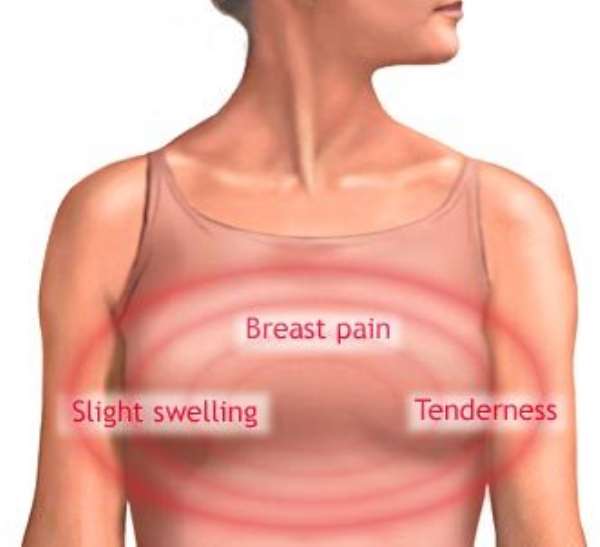
Managing breast swelling and tenderness requires a holistic approach that addresses hormonal balance, lymphatic drainage, and inflammation. While often caused by natural fluctuations like the menstrual cycle or pregnancy, swelling can also stem from dietary habits, lymphatic congestion, or mechanical irritation.
The following guide integrates internal and external herbal supports with lifestyle adjustments to help soothe discomfort and promote healthy circulation.
Internal Herbal Support (Teas & Infusions)
These remedies work from the inside out to move fluids and support the body’s natural filtering systems.
- Cleavers (Galium aparine): A premier lymphatic tonic. Use 1-2 teaspoons of dried herb in 1 cup of hot water (steeped 10-15 mins) for swelling under the arms or cyclical tenderness. Drink 1-2 times daily for up to two weeks.
- Red Clover (Trifolium pratense): Known for mild phytoestrogenic and alterative properties. Steep 1 tablespoon of blossoms in 1 quart of hot water for 20-30 minutes. Drink 1 cup daily for 7-10 days, particularly during the premenstrual phase.
- Dandelion Leaf (Taraxacum officinale): A gentle diuretic that targets fluid retention and “heavy” breast sensations. Steep 2 teaspoons of dried leaf in boiling water for 10 minutes. Drink 1 cup daily for 5-7 days.
- Chickweed (Stellaria media): Cooling and anti-inflammatory. Best for heat-related soreness. Steep 1 tablespoon in hot water for 15 minutes and drink once daily.
External Applications & Targeted Relief
Topical treatments provide localized comfort and encourage the physical movement of lymph.
- Lymphatic Massage with Calendula: Warm Calendula oil or salve between your hands and massage the breast gently in circular motions, always moving toward the armpit and collarbone to encourage drainage.
- Herbal Compresses: Soak a clean cloth in a strong infusion of Calendula or Chamomile (2 tbsp per 2 cups water). Apply warm or cool to the breast for 15-20 minutes to soothe localized soreness.
- Fresh Poultices: For soft tissue congestion, mash fresh Chickweed or Cleavers with a little warm water and apply directly to the area for 20-30 minutes.
- Castor Oil Packs: A traditional naturopathic staple. Apply a castor-oil-soaked flannel to the breast (avoiding the nipple), cover with a warm towel, and rest for 20-30 minutes, 2-3 times per week to boost circulation.
Dietary & Lifestyle Foundations
Small shifts in daily habits can significantly reduce the frequency and intensity of swelling.
- Hydration & Minerals: Prioritize leafy greens, cucumbers, and high water-intake. Reduce salt and highly processed foods to minimize water retention.
- Gentle Movement: Walking and light stretching act as a “pump” for the lymphatic system, which does not have its own heart-like pump.
- Mechanical Comfort: Ensure bras are properly fitted and non-restrictive to prevent the constriction of lymph nodes around the chest and underarms.
Daily Foundational Practices
Morning
- 1 cup warm water upon waking
- Light movement (5-10 minutes of walking or stretching)
Hydration
- Aim for steady hydration throughout the day
- Avoid excessive salt and highly processed foods
Supportive Clothing
- Wear a properly fitted, non-restrictive bra
- Avoid tight underwire during periods of swelling
Closing Perspective
Herbal support for swollen breasts is rooted in the understanding that the breasts are closely connected to the lymphatic, hormonal, and eliminative systems of the body. When congestion or imbalance occurs, gentle, consistent interventions that support circulation, drainage, and inflammation control can be very effective measures.
References
- Hoffmann, D. Medical Herbalism: The Science and Practice of Herbal Medicine. Healing Arts Press.
- Tierra, M. The Way of Herbs. Pocket Books.
- Wood, M. The Book of Herbal Wisdom. North Atlantic Books.
- Grieve, M. A Modern Herbal. Dover Publications.
- Chevallier, A. Encyclopedia of Herbal Medicine. DK Publishing.
- Mills, S. & Bone, K. Principles and Practice of Phytotherapy. Elsevier Churchill Livingstone.
- Weiss, R.F. & Fintelmann, V. Herbal Medicine. Thieme Medical Publishers.
- British Herbal Pharmacopoeia. British Herbal Medicine Association.
- Bensky, D., Clavey, S., & Stöger, E. Chinese Herbal Medicine: Materia Medica. Eastland Press.
This article is copyrighted by Ital is Vital, 2016 - 2026. Want to re-post this article? Visit our guidelines.
DISCLAIMER: THIS WEBSITE DOES NOT PROVIDE MEDICAL ADVICE
The information, including but not limited to, text, graphics, images and other material contained on this website are for informational purposes only. The purpose of this website is to promote broad consumer understanding and knowledge of various health topics. It is not intended to be a substitute for professional medical advice, diagnosis or treatment. Always seek the advice of your physician or other qualified health care provider with any questions you may have regarding a medical condition or treatment and before undertaking a new health care regimen, and never disregard professional medical advice or delay in seeking it because of something you have read on this website.