
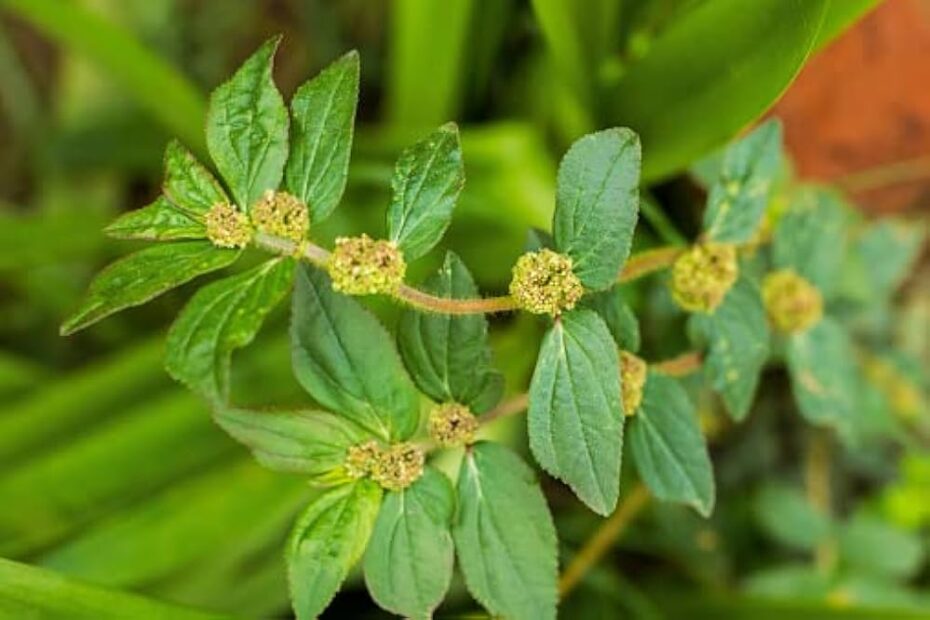
This detailed profile on Euphorbia hirta (commonly known as asthma weed, asthma plant, or tawa-tawa) compiles ethnobotanical knowledge, traditional uses in Ghana and globally, preparation methods, safety notes, and evidence from scientific studies. It serves as a reference for those interested in herbal medicine for asthma, respiratory issues, dengue support, and other folk remedies.
Scientific & Regional Identification
- Scientific Name: Euphorbia hirta L.
- Synonyms: Euphorbia pilulifera L., Chamaesyce hirta (Millsp.)
- Family: Euphorbiaceae (The Spurge Family)
- Key Global & Regional Names:
- Philippines: Tawa-tawa, Gatas-gatas
- India: Dudhi, Badi dudhi
- General English: Asthma weed, Asthma plant, Pillpod spurge (Pill-bearing spurge), Snake weed, Garden spurge, Hairy spurge, Queensland asthma weed, Australian asthma herb, Red milkweed, Dove milk
- West Africa/Ghana: Roadside weed with milky latex and hairy, reddish-tinged stems; local names include akaweadwe (Akan/Twi), Kakaweadwea, Ahinkogye (Twi), Animakoa, Anufosu, Notsigbe, Ahen kodze (variations across ethnic groups)
- Other African: Nonon kurchia / Nonan kurchiya (Hausa, Nigeria), Emi-ile (Yoruba), Udani (Igbo)
In Accra and urban Ghana, Euphorbia hirta thrives in open grasslands, roadsides, gardens, and disturbed areas -identify by small hairy stems, opposite toothed leaves, tiny clustered cyathia flowers, and white latex when broken.
Medicinal Parts & Harvest
- Primary Part: Aerial parts (whole plant above ground: leaves, stems, flowers) – most commonly used.
- Potency Window: Harvest while flowering for maximum phytochemical concentration (flavonoids, tannins, terpenoids, etc.).
- The Sap (Latex): External only (caustic/irritant).
- The Roots: Occasionally for fevers or as galactagogue in some traditions.
- Harvest Tips: In Accra/Ghana, avoid polluted roadsides or drainage to prevent heavy metal/pesticide contamination.
Therapeutic Preparations & Protocols
Traditional preparations are simple; approximate dosages vary – seek guidance from qualified herbalists.
- Standard Decoction – Respiratory support: Asthma, bronchitis, chronic cough, hay fever. Boil handful (5-10 g dried) aerial parts in water 10-15 mins, steep 20 mins, strain. Drink 1-2 cups daily (bronchodilatory, expectorant effects).
- “Tawa-Tawa” Protocol – Dengue / platelet support: Boil 5-6 whole plants; drink 1 glass hourly in febrile phase (platelet-boosting in folk use, some studies support).
- Strong Decoction – Gastrointestinal: Diarrhoea, dysentery, amoebiasis, parasites. Concentrated boil, small frequent doses.
- Fresh Juice/Extract – Worms (esp. children): Crush leaves/stems, dilute juice, take orally.
- Topical Poultice/Application – Skin: Warts, boils, ringworm, athlete’s foot. Crush leaves or apply latex (2-3× daily; caution irritant).
- Advanced Botanical Synergy (Traditional):
- Ayurvedic: With Piper nigrum (black pepper) for respiratory bioavailability.
- Cautionary: With Datura in smoking mixes for severe asthma (highly discouraged – Datura toxic).
Safety, Risks, and Local Context
- Irritant Nature: Latex causes dermatitis, eye irritation, or severe reactions.
- Gastrointestinal Distress: Excess may cause nausea/vomiting.
- Pregnancy: Avoid (potential uterine effects).
- Other: Not for breastfeeding/children without guidance; high doses may depress respiration/heart.
- Accra/Local Context: Valued in Ghanaian traditional medicine for cough, asthma, worms, fevers. Consult local healers; harvest clean areas.
Summary of Evidence & References
Pharmacological studies confirm bronchodilatory (anti-asthmatic), antidiarrheal, antimicrobial, anti-inflammatory, antioxidant, platelet-boosting (dengue), wound healing, and other activities in lab/animal models. Human clinical trials limited – best as complementary, not replacement for medical care (e.g., severe asthma, dengue emergencies).
Key references (primarily from PMC/NCBI/PubMed sources):
- Kumar S, et al. (2010). Euphorbia hirta: Its chemistry, traditional and medicinal uses, and pharmacological activities. Pharmacogn Rev. PMC3249903. (Comprehensive review on chemistry, uses, activities including antiasthmatic.)
- de Guzman GQ, et al. (2016). Ethnopharmacological studies on Euphorbia hirta for dengue. J Intercult Ethnopharmacol. PMC4927128. (Folk use in Philippines, platelet support.)
- Ali MZ, et al. (2020). Use of Euphorbia hirta in diarrhea/constipation (Ca antagonism/cholinergic). BMC Complement Med Ther. PMC7076812.
- Sharma N, et al. (2014). Antioxidant, anti-inflammatory, anticancer of ethanolic extract. PMC6271915.
- Ping KY, et al. (2013). Acute/subchronic toxicity study. PMC3872372. (Low toxicity at typical doses.)
- Perera SD, et al. (2018). Potential use for dengue: Systematic review. PMC5926475.
- Cayona R, et al. (2022). Phytochemicals inhibitory potential vs SARS-CoV-2 Mpro. PMC8855059. (In silico antiviral insights.)
- Tuhin RH, et al. (2017). Wound healing in diabetic rats. PMC5571567.
Additional sources: Useful Tropical Plants database, PROTA, ethnobotanical reviews (e.g., Ghana/Africa uses), Wikipedia for nomenclature, WebMD overview.
This article is copyrighted by Ital is Vital, 2016 - 2026. Want to re-post this article? Visit our guidelines.
DISCLAIMER: THIS WEBSITE DOES NOT PROVIDE MEDICAL ADVICE
The information, including but not limited to, text, graphics, images and other material contained on this website are for informational purposes only. The purpose of this website is to promote broad consumer understanding and knowledge of various health topics. It is not intended to be a substitute for professional medical advice, diagnosis or treatment. Always seek the advice of your physician or other qualified health care provider with any questions you may have regarding a medical condition or treatment and before undertaking a new health care regimen, and never disregard professional medical advice or delay in seeking it because of something you have read on this website.