
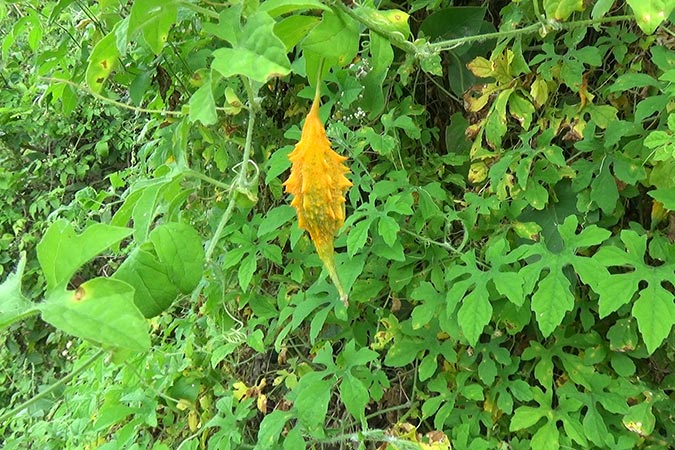
Jamaica has a rich tradition of herbal medicine, often referred to as “bush medicine” or “bush tea.” Many of these herbs grow wild or are cultivated in home gardens and have been used for generations for wellness, although scientific evidence varies by herb. (PubMed Central (PMC))
Herb |
Scientific Name |
Traditional Uses |
|---|---|---|
1. Cerasee (Cerassi) |
Momordica charantia |
One of Jamaica’s best-known herbs. Traditionally used as a blood cleanser, digestive tonic, and for skin conditions. Extremely bitter. |
2. Guinea Hen Weed (Anamu) |
Petiveria alliacea |
Popular for immune support, inflammation, and general wellness. Has a distinctive garlic-like smell. |
3. Soursop Leaves |
Annona muricata |
Commonly brewed as tea for relaxation and general health support. Widely grown throughout Jamaica. |
4. Fever Grass (Lemongrass) |
Cymbopogon citratus |
Used to make a refreshing tea for colds, fever, digestion, and relaxation. |
5. Moringa |
Moringa oleifera |
Valued as a nutrient-rich herb. Leaves are consumed as tea or added to food. |
6. Leaf of Life |
Kalanchoe pinnata |
Traditionally used for coughs, colds, and minor skin irritations. |
7. Ginger |
Zingiber officinale |
Used for colds, nausea, digestion, and as a common culinary spice. |
8. Turmeric |
Curcuma longa |
Popular for its anti-inflammatory properties and used in teas and cooking. |
9. Strong Back (Black Pinda) |
Desmodium canum (commonly associated) |
Traditionally consumed as a tonic believed to promote strength and vitality. |
10. Vervain |
Stachytarpheta jamaicensis |
Used as a calming tea and traditionally for digestive complaints and fever. |
Other well-known Jamaican herbs include:
- Chaney Root (Smilax balbisiana)
- Quaco Bush (Vernonia cinerea)
- Spanish Needle (Bidens pilosa)
- Guaco (Mikania micrantha)
- Oregano (Plectranthus amboinicus)
- Wild Thyme (Lippia micromera)
- Black Sage (Cordia curassavica)
- Noni (Morinda citrifolia)
- Hibiscus (Sorrel) (Hibiscus sabdariffa)
- Pepper Elder (Piper amalago)
Note: While these herbs have a long history in Jamaican traditional medicine, they are not substitutes for professional medical treatment. Some herbs can interact with medications or be harmful in large amounts. For example, Jamaican health authorities advise caution with herbs such as cerasee and comfrey, particularly when consumed excessively. (Consumer Affairs Jamaica)
This article is copyrighted by Ital is Vital, 2016 - 2026. Want to re-post this article? Visit our guidelines.
DISCLAIMER: THIS WEBSITE DOES NOT PROVIDE MEDICAL ADVICE
The information, including but not limited to, text, graphics, images and other material contained on this website are for informational purposes only. The purpose of this website is to promote broad consumer understanding and knowledge of various health topics. It is not intended to be a substitute for professional medical advice, diagnosis or treatment. Always seek the advice of your physician or other qualified health care provider with any questions you may have regarding a medical condition or treatment and before undertaking a new health care regimen, and never disregard professional medical advice or delay in seeking it because of something you have read on this website.