
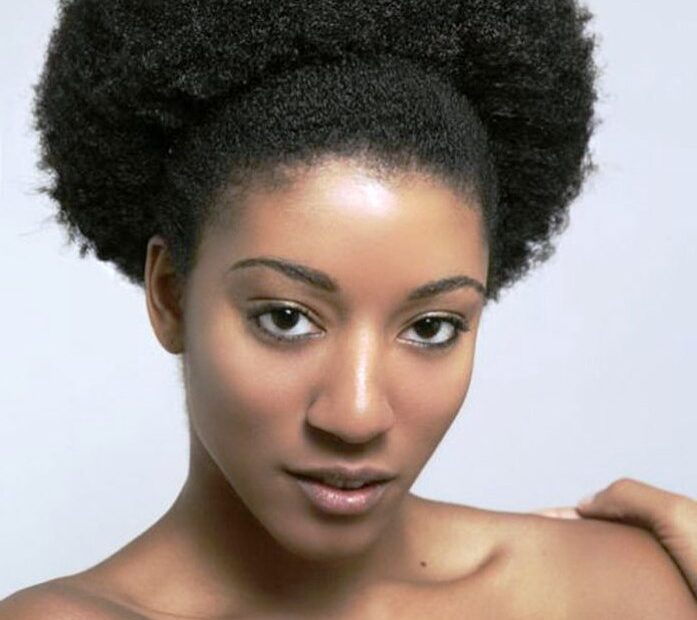
This nutrient-rich herbal hair oil is inspired by traditional botanical hair care and ingredients frequently associated with natural wellness philosophy. Rather than relying on synthetic silicones or petroleum-based products, this blend combines cold-pressed plant oils with mineral-rich herbs that have long been valued for supporting healthy-looking hair and maintaining a nourished scalp.
The formula is designed to moisturize dry hair, help reduce breakage, improve manageability, add natural shine, and create an environment that supports healthy hair growth as part of a consistent hair care routine.
Why These Oils?
Extra Virgin Olive Oil (1 cup)
Extra virgin olive oil serves as the primary carrier oil because of its exceptional moisturizing properties. Rich in polyphenols, squalene, and healthy fatty acids, it penetrates the hair shaft better than many heavier oils.
Traditionally, olive oil has been used to:
- Moisturise dry hair
- Improve elasticity
- Reduce breakage
- Smooth frizz
- Protect against environmental damage
- Condition dry scalps
Its high antioxidant content also helps protect the oils from oxidation during infusion.
Batana Oil (½ cup)
Batana oil, derived from the American oil palm (Elaeis oleifera), has become renowned for its traditional use among the Miskito people of Honduras, sometimes referred to as the “People of Beautiful Hair.”
Dr. Sebi frequently spoke about batana oil as a valuable ingredient for hair care.
It is traditionally used to:
- Restore moisture to damaged hair
- Improve softness
- Add shine
- Reduce split ends
- Support thicker-looking hair
- Nourish the scalp
Its deep amber color also contributes valuable antioxidants to the finished oil.
Avocado Oil (¼ cup)
Avocado oil is one of the most nutrient-dense oils used in natural hair care.
Its lightweight texture helps it penetrate deeply into the hair shaft where it can improve softness and reduce moisture loss.
Benefits include:
- Softening coarse hair
- Helping detangle curls
- Improving elasticity
- Supporting scalp hydration
- Enhancing shine
Herbal Infusion
The herbs slowly release their beneficial plant compounds into the oils over several weeks, producing a richly infused botanical treatment.
Dried Rosemary
Rosemary has become one of the most researched herbs for natural hair care.
Traditionally it is used to:
- Stimulate the scalp
- Improve circulation
- Strengthen hair
- Reduce excessive shedding
- Refresh oily scalps
Rosemary also contains antioxidants such as rosmarinic acid and carnosic acid that help preserve the oil blend.
Recommended amount:
- 2 tablespoons dried rosemary
Horsetail
Horsetail (Equisetum arvense) is naturally high in silica, a mineral important for the structure of hair, skin, and nails.
Traditionally, horsetail has been used to:
- Strengthen fragile hair
- Improve hair texture
- Reduce brittleness
- Support healthy hair growth
Recommended amount:
- 2 tablespoons dried horsetail
Nettle Leaf
Nettle is an exceptionally mineral-rich herb containing:
- Iron
- Silica
- Magnesium
- Calcium
- Potassium
For centuries it has been used in herbal hair rinses and infused oils.
Traditional uses include:
- Nourishing the scalp
- Supporting healthy follicles
- Reducing dryness
- Improving hair vitality
Recommended amount:
- 2 tablespoons dried nettle leaf
Lavender Flowers
Lavender contributes both therapeutic properties and a pleasant natural fragrance.
It is traditionally valued for:
- Soothing irritated scalps
- Helping reduce dryness
- Adding a calming aroma
- Supporting scalp comfort
Recommended amount:
- 1 tablespoon dried lavender flowers
Hibiscus Flowers
Hibiscus flowers have been used throughout Africa, Asia, and the Caribbean as a traditional hair treatment.
They contain:
- Anthocyanins
- Natural fruit acids
- Flavonoids
- Mucilage
Traditionally, hibiscus is used to:
- Condition hair
- Improve softness
- Enhance shine
- Reduce dryness
- Help define curls
Recommended amount:
- 2 tablespoons dried hibiscus flowers
Ingredients
Carrier Oils
- 1 cup extra virgin olive oil
- ½ cup batana oil
- ¼ cup avocado oil
Herbs
- 2 tablespoons dried rosemary
- 2 tablespoons dried horsetail
- 2 tablespoons dried nettle leaf
- 1 tablespoon dried lavender flowers
- 2 tablespoons dried hibiscus flowers
After Straining
- 1 teaspoon natural vitamin E oil
- Optional: 10–15 drops rosemary essential oil (for fragrance and additional scalp stimulation)
Equipment
- One sterilized 16-ounce (500 ml) glass mason jar
- Fine mesh strainer
- Cheesecloth
- Dark amber glass bottle for storage
- Funnel
- Double boiler (if using the warm infusion method)
Cold Infusion Method (Recommended)
This traditional approach preserves delicate plant compounds.
- Ensure all herbs are completely dry to prevent spoilage.
- Place the dried herbs into a clean glass jar.
- Pour the olive, batana, and avocado oils over the herbs until they are fully submerged.
- Stir gently with a clean spoon to remove trapped air bubbles.
- Seal the jar tightly.
- Store in a warm, dark place for 4-6 weeks.
- Shake the jar gently every day or two to encourage infusion.
- After the infusion period, strain through cheesecloth, squeezing the herbs well to extract as much oil as possible.
- Stir in the vitamin E oil and, if desired, the rosemary essential oil.
- Bottle in dark glass containers.
Warm Double-Boiler Method
If you prefer a quicker preparation:
- Place the herbs and oils into the top of a double boiler or a heatproof bowl over gently simmering water.
- Keep the temperature below 120°F (49°C) to avoid overheating the oils.
- Heat gently for 2-3 hours, stirring occasionally.
- Remove from the heat and allow the mixture to cool completely.
- Strain thoroughly.
- Add vitamin E and optional rosemary essential oil.
- Bottle and label.
How to Use
Daily Scalp Oil
Massage a few drops into the scalp using your fingertips for 3-5 minutes.
Hot Oil Treatment
Warm a small amount of oil by placing the bottle in warm water for several minutes. Apply generously to the scalp and hair, cover with a shower cap, and leave on for 30-60 minutes before shampooing.
Overnight Treatment
Massage into the scalp and work through the hair. Cover with a satin bonnet or scarf and wash out the following morning if desired.
Split End Treatment
Rub a few drops between your palms and apply lightly to the ends of the hair.
Protective Styles
Apply lightly before braiding, twisting, or installing protective styles to help maintain moisture.
Storage
Store in a cool, dark place away from direct sunlight. Properly prepared oil should remain fresh for 9-12 months, especially with the addition of vitamin E. Always discard the oil if it develops an unpleasant odor or shows signs of moisture contamination.
Notes
- Use only fully dried herbs, as fresh herbs can introduce water that may promote spoilage.
- Perform a patch test before first use, particularly if you have sensitive skin or known allergies to any of the ingredients.
- While rosemary and other botanicals have been studied for hair care, results vary between individuals. Consistent use, gentle hair handling, good nutrition, and overall scalp health all contribute to healthy-looking hair.
This article is copyrighted by Ital is Vital, 2016 - 2026. Want to re-post this article? Visit our guidelines.
DISCLAIMER: THIS WEBSITE DOES NOT PROVIDE MEDICAL ADVICE
The information, including but not limited to, text, graphics, images and other material contained on this website are for informational purposes only. The purpose of this website is to promote broad consumer understanding and knowledge of various health topics. It is not intended to be a substitute for professional medical advice, diagnosis or treatment. Always seek the advice of your physician or other qualified health care provider with any questions you may have regarding a medical condition or treatment and before undertaking a new health care regimen, and never disregard professional medical advice or delay in seeking it because of something you have read on this website.